Social media users are sharply criticizing President Donald Trump’s administration—not only over the escalating military campaign against Iran, but also over the reported name of the operation itself.
At the same time, the conflict continues to widen, with casualties mounting across multiple countries in the region and beyond.
Since February 28, the United States and Israel have carried out coordinated strikes on Iranian targets. Iranian state-linked sources have reported that Supreme Leader Ayatollah Ali Khamenei was killed in Tehran during the initial wave of attacks, though official confirmation from independent international bodies remains limited.
Iran responded with missile and drone strikes aimed at U.S. military installations in several Gulf nations, including Saudi Arabia, Bahrain, Qatar, and the United Arab Emirates.
The violence has since expanded further. A suspected Iranian drone struck the British Royal Air Force base at RAF Akrotiri in Cyprus early Monday, causing minor runway damage but no reported casualties, according to UK authorities.
Rising Casualties Across the Region
In the days following the first strikes, reports estimate that approximately 555 people in Iran have been killed, with hundreds more injured.
Online reactions have ranged from disbelief to ridicule. Many users have described the name as overly dramatic or reminiscent of pop culture.
One social media post read:
“Is it just me or does ‘Operation Epic Fury’ sound like it was picked by someone from Marvel?”
Another user commented:
“In all of U.S. military history, is there a more embarrassing name for an operation than ‘Epic Fury?’ Sounds like the subtitle of the sixth sequel in a mediocre slasher franchise.”
Others criticized the tone, arguing that the name feels disconnected from the gravity of real-world casualties.
“‘Operation Epic Fury’ is the kind of thing I would’ve called it when I played with GI Joe action figures as a child. For an adult to use the name when killing real people is pathetic.”
The name has become a focal point of broader criticism from both opponents of the administration and some conservative commentators.
Former Fox News host Tucker Carlson publicly condemned the strikes, describing the decision to engage militarily in harsh terms.
Administration’s Defense of the Operation
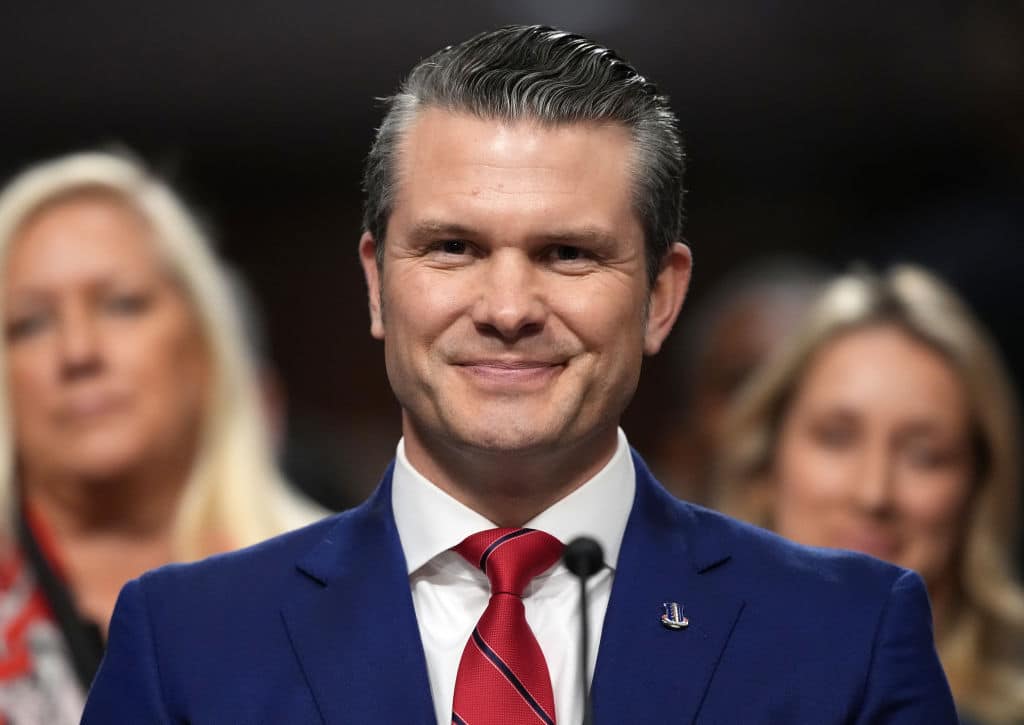
Defense Secretary Pete Hegseth addressed the operation during a Pentagon press briefing Monday morning, defending both the mission and its objectives.
He described the campaign as “laser-focused” and characterized it as “the most lethal, most complex, and most precise aerial operation in history.”
Hegseth also framed the conflict as part of a long-running confrontation with Iran, accusing the Iranian regime of waging what he called a “savage, one-sided war” against the United States for decades. He referenced incidents such as the Beirut barracks bombing, attacks on U.S. vessels, embassy killings, and roadside bombs targeting American troops in Iraq and Afghanistan.
As the conflict continues to unfold, attention remains fixed on two fronts: the human cost of expanding hostilities and the political consequences at home.
With casualties rising and tensions spreading across multiple countries, the long-term trajectory of the conflict remains uncertain.