In the scorching deserts of India, where temperatures can soar so high that even seasoned locals struggle to endure them.
A shocking and deeply tragic incident unfolded in 2016—one that quickly captured national and international attention.
This was not just a story about a man and his camel.
It became a broader cautionary tale about the consequences of extreme heat, the responsibilities we have toward the animals under our care, and the unpredictable ways stress can manifest in creatures pushed beyond their limits.
The event took place in the Barmer district of Rajasthan, one of the hottest and driest regions in all of India.
Known for its vast desert landscapes, intense summer conditions, and communities that rely heavily on livestock for their livelihood, Barmer is no stranger to environmental extremes.
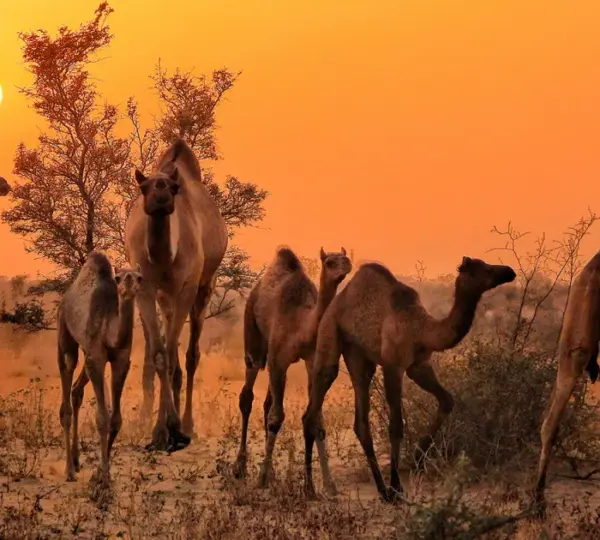
While these conditions shape daily life, they also create situations that can escalate dangerously if not handled with care.
According to local reports, temperatures in the region had climbed past 109°F (43°C) on the day of the tragedy. For many animals, such temperatures can be unbearable without shade or water.
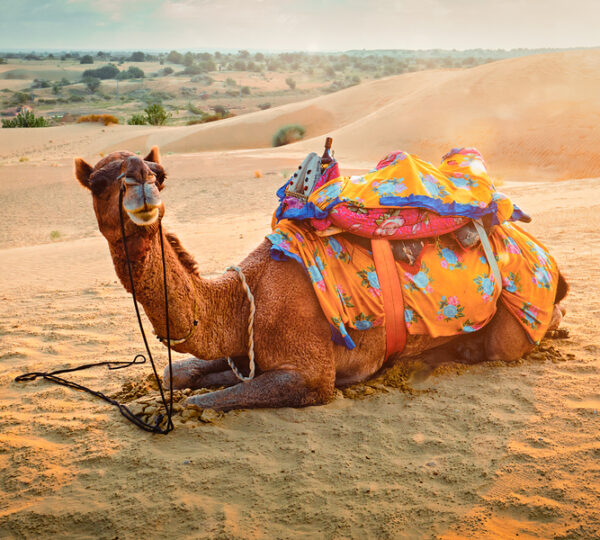
Yet the camel at the center of this incident was reportedly tethered outside for several hours under direct sunlight, unable to move freely or find relief from the suffocating heat.
Residents later described the heatwave as one of the most severe of the season—one that left both humans and livestock visibly distressed.
A Day That Took a Devastating Turn
The camel belonged to a man named Urjaram, a resident of the village. According to reports from outlets including The Times of India, he had been hosting guests that day, occupied with social visits and household responsibilities.
In the midst of entertaining his visitors, he apparently lost track of time and forgot that his camel remained tied up outside, exposed to the worst of the heat.
Witnesses later said that the camel had already shown signs of agitation earlier in the day—pacing restlessly, vocalizing, and exhibiting behavior that suggested extreme discomfort.
Such signs, according to veterinarians, can occur when animals experience heat stress, dehydration, or long periods of restraint.

By the time Urjaram remembered to return to his camel, hours had passed. Villagers recounted that the animal’s distress was clearly visible.
Its earlier pacing had escalated into what some described as panicked or erratic behavior, indicating that it had reached a breaking point physically and emotionally.
When its owner approached and attempted to untie it, the camel reacted violently in what observers described as a sudden and explosive outburst. In the chaos that followed, the animal attacked him.
The incident was so intense and fast-moving that those nearby were unable to intervene in time.
A Community in Shock
The aftermath left the entire village in disbelief. For many locals, camels are more than working animals—they are valuable companions essential for transportation, agriculture, and survival in desert life.
They are typically seen as patient, intelligent, and loyal. To witness such an unexpected act of aggression was deeply unsettling.
The camel did not calm down immediately. Reports state that it took roughly 25 people nearly six hours to restrain the animal.
They used ropes, coordinated effort, and even a vehicle to finally secure it safely. This prolonged struggle underscored just how distressed and unmanageable the camel had become.
Several community members claimed that tension had existed between the camel and its owner previously.
While no official records verify repeated conflict, such comments fueled discussions about the importance of consistent humane treatment of working animals—especially in demanding climates like Rajasthan’s.
Camels: Powerful, Intelligent, and Sensitive Creatures
Camels, often celebrated as “ships of the desert,” are known for their endurance and ability to survive in harsh conditions.
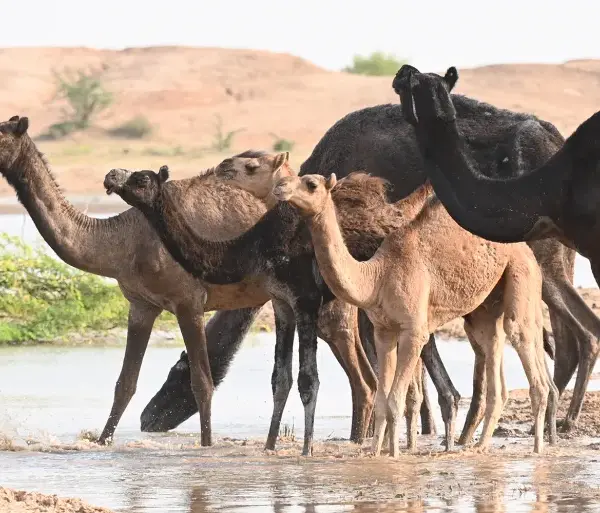
However, their strength and tolerance do not make them immune to suffering. Animal behavior specialists emphasize that, like any creature, camels experience stress, fear, discomfort, and emotional frustration.
Though camels typically have calm dispositions, they can become dangerous if mistreated or when pushed beyond reasonable limits.
Their physical abilities are often underestimated: a full-grown camel can weigh between 1,300 and 2,200 pounds, with strong neck muscles and powerful legs capable of forceful kicks in multiple directions. Their jaws are designed to grind tough desert vegetation, giving them a surprisingly firm bite when provoked.
An animal expert interviewed by The Sun explained that adult camels possess enough jaw and neck strength to seriously injure a human if they feel threatened or overwhelmed.
While such incidents are rare, they highlight the necessity of proper handling, adequate care, and awareness of an animal’s warning signs.
International Incidents: When Camels Fight Back
Although camel attacks are uncommon, they have been documented in various parts of the world. These cases often involve situations where the animal experienced prolonged stress, felt threatened, or reacted to mistreatment.
One notable incident occurred in 2023 in Siberia, involving a Bactrian camel—known for its two humps and thicker coat suited for colder climates.
Reports state that the camel retaliated after its owner struck it in the face. Local witnesses described the animal as usually peaceful, but it reacted instinctively when it was hit. Tragically, the owner was fatally injured during the confrontation.
In March 2022, authorities in Tennessee reported that a camel attacked two men at a petting zoo. The men had attempted to recapture the animal after it escaped from an enclosure.
During the pursuit, the camel cornered them and inflicted fatal injuries before attempting to charge at responding officers. The incident shocked the small community and spurred conversations about animal safety protocols in petting zoos.
Another case reported several years earlier involved a wildlife sanctuary owner in Mexico.
The man, described as experienced in handling exotic animals, reportedly suffered fatal injuries after one of the sanctuary’s camels reacted aggressively.
According to reports at the time, the camel knocked him down, bit him, and ultimately crushed him. The event underscored that even trained professionals face risks if an animal reaches a state of high agitation.
Animal Welfare and Human Responsibility
These incidents, while rare, share a common theme: animals often react violently only after prolonged stress, discomfort, or mistreatment.
Experts in animal behavior highlight that when animals are pushed past their physical or emotional limits, they may respond out of instinct or fear rather than malice.
Camels, in particular, are sensitive to environmental conditions. Extreme heat, dehydration, tight restraints, and lack of shade can cause them immense stress. Under such circumstances, even the gentlest camel may act unpredictably.
Animal welfare advocates stress the importance of proper care—ensuring that working animals receive adequate water, shelter, rest, and humane treatment. In regions with extreme climates, these measures can be lifesaving.
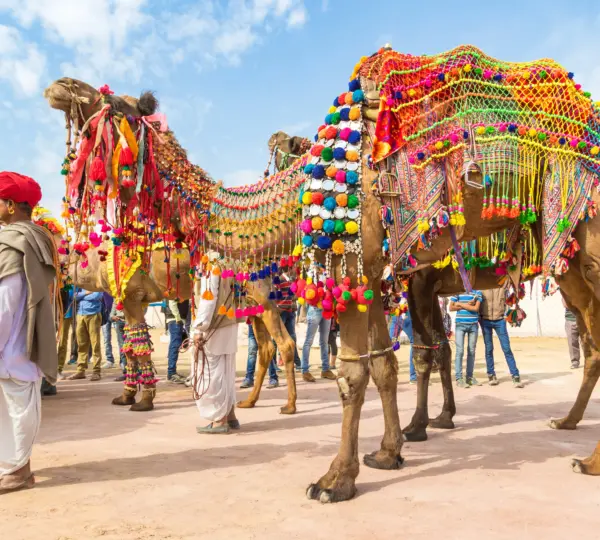
The tragedy in Rajasthan sparked conversations across India about improving awareness of animal needs, especially in desert communities where camels play vital roles in transportation, agriculture, and tourism.
A Tragedy That Leaves Lessons Behind
The 2016 Barmer incident remains one of the most widely discussed camel-related cases in recent memory—not because such events are common, but because it highlighted the fragile balance between humans and the animals they depend on.
It raised difficult but necessary questions:
How much stress can a working animal endure before it reaches a breaking point?
Are communities fully aware of the impact extreme weather has on livestock?
What responsibilities do owners carry to ensure the safety and well-being of both their animals and themselves?
What resources or training might help prevent such tragedies in the future?
In rural communities where animals often serve as members of the household as well as economic partners, tragedies like this leave lasting emotional scars.
Understanding the Reality Behind the Headlines
While sensational headlines tend to focus on the shocking nature of camel attacks, experts emphasize that such behavior is the exception, not the rule. Camels are known worldwide for their loyalty, patience, and intelligence.
Millions of people safely work with camels every year.
The common thread in the rare attacks lies not in the nature of the animal, but in the circumstances: stress, mistreatment, extreme heat, or fear.
In the end, the Barmer tragedy serves as a sobering reminder that animals experience suffering just as humans do. When their needs are neglected for too long, their reactions can become unpredictable and dangerous.
A Call for Compassion and Understanding
This story continues to spark global conversations about animal welfare, especially in regions that rely heavily on working animals for everyday life.
It encourages communities, owners, and policymakers to reflect on how animals are treated and whether their needs are being met.
Camels, like all creatures, deserve kindness, respect, and humane care. When their basic needs are met, they typically live peacefully alongside humans. But when pushed beyond what their bodies and minds can endure, tragedy can unfold.